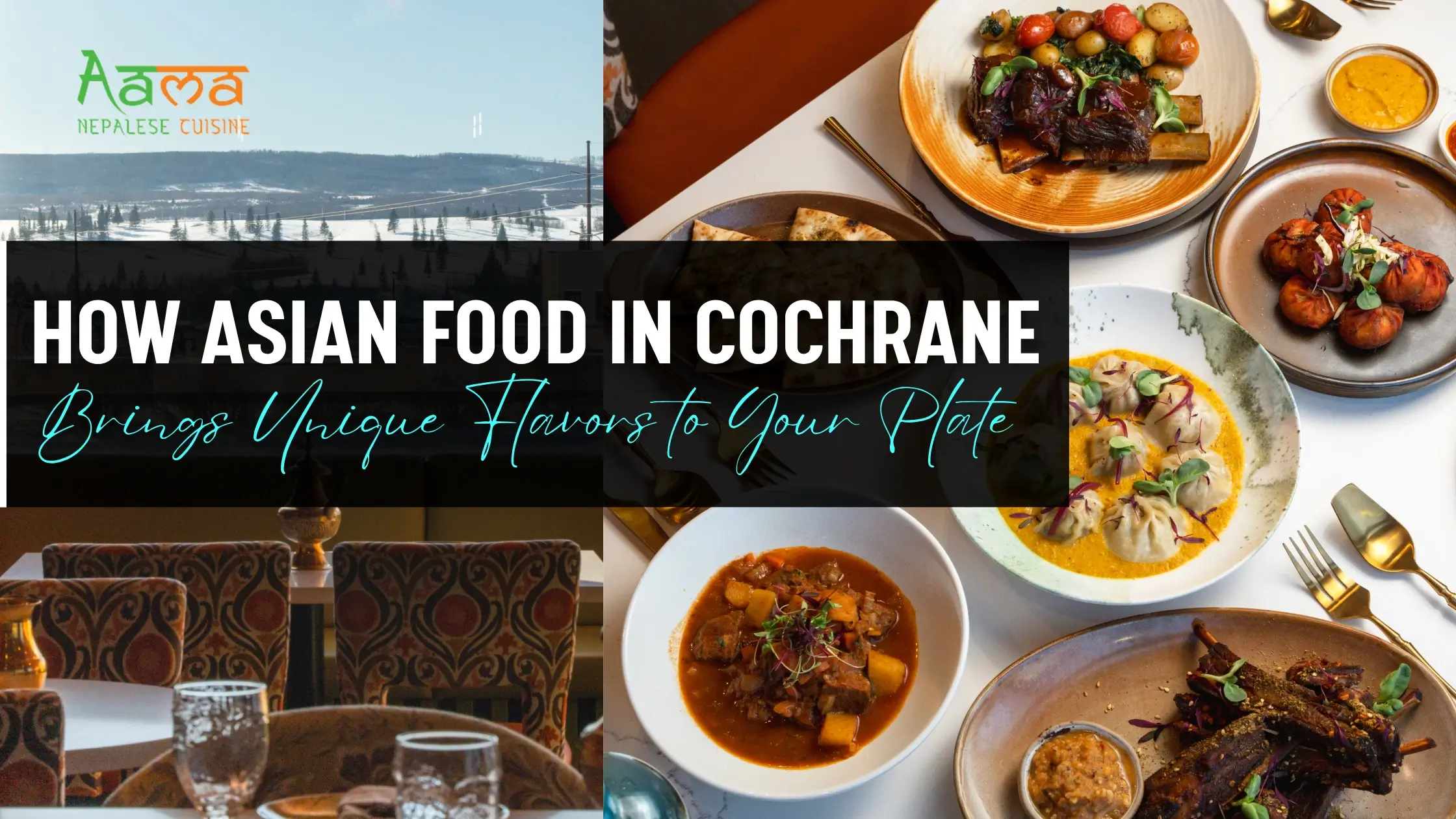
Okay, we have had enough now. That day, we were organizing things at our restaurant, and we heard people say, “Asian food is not that good, it’s just overhyped because of the K-dramas.” Like really? How can people say this? The popularity of Asian food isn’t just about some movie trend; there’s a lot more.
You don’t believe us, right? Well, just to inform you, there are 7,397 Asian restaurants in Canada.

Data Source: Snappy
Now tell us, do you really think all these restaurants were established overnight? Absolutely not. If you really want to know why people are so indulged in Asian cuisine, you need to do some research, visit some restaurants, taste some authentic Asian food, and also read the Asian culinary history.
Relax, you don’t have to do all those things; reading this blog would be enough. Now, the question arises, why would you read this long blog? You are not a food critic or a researcher, but you are still a foodie, and all the foodies have the right to know everything about popular cuisines.
In this blog package, we will walk you through the history of Asian food in Cochrane, including how it arrived and why it became so popular. Then, we will give away some details about the best dishes in town that you can try, some tips for first-time tasters, and more. So, shall we begin? Yes, we must begin now!
The Incredible Diversity of Asian Cuisine
Pay attention, people, we are answering! The first reason behind the popularity of Asian cuisine isn’t movies; it’s the diversity. Change the direction, and the food also changes. You may think that one or two restaurant visits will cover all the asian food. Not at all because Asian cuisine is vast, like really vast. Here’s a look:
H3: East Asian Cuisine
The first on the list is East Asian cuisine, which refers to food from China, Korea, and Japan. You will notice rice-dominant dishes, sesame- and soy-based sauces and side dishes, simple, warm soups, and cooking techniques such as stir-frying, steaming, braising, and grilling.
Some of the most popular dishes from these regions are chow mein, fried rice, sushi, ramen bowl, kimchi, mochi, and more. Now, here’s the twist: we have listed these countries and their food in a single category. But if you go deeper, you’ll notice a huge difference in the spice levels, cooking techniques, and presentations among these countries’ cuisines. For example, Korean food is known for its strong spice levels, while Japanese food features subtler flavors.
Southeast Asian Cuisine
For the second number, we have Southeast Asian food, including Thailand, Malaysia, and Vietnam. The food from these regions features heavy use of fresh herbs, veggies, spices, and citrus-based flavors.
The most popular dishes are beef noodle soup, roti canai, and Thai curry. Southeast Asian countries also differ widely in their use of spices, cooking styles, and other aspects. Vietnamese cuisine is more about soup-based and stir-fried dishes, while Malaysian cuisine features rich, aromatic flavors. Thai food, on the other hand, includes high spice levels and heavy usage of coconut, seafood, etc.
South and Central Asian Cuisine
Disclaimer: South and central Asian cuisine isn’t just about Indian food. There are many countries in this region, and the food varies by country. For example, Pakistani cuisine is heavily meat-based, while Indian cuisine has a balanced presentation of plant-based and meat-based dishes.
Some of the most popular dishes from this region are Biryani, daal, samosas, curries (veg and non-veg), samsa, lagman, and many more. When it comes to diverse flavored food, nothing can beat South and Central Asian cuisine.
If you are someone who is more into rich, spicy, aromatic food, where the taste lingers in your mouth for hours, this is your place.
Himalayan Cuisine — The Hidden Gem
This is one of the very few cuisines talked about in the world. Very few people know about it, and we can’t say how much they are missing out on. You all have tried Momo, right? Yes, it’s a Himalayan dish (Tibet). Yes, we know you thought it was a Chinese dish, but actually it’s not. Momo originated here, and later, different countries made their own versions of it.
Himalayan cuisine had really intense flavors and beautiful plating techniques. Some popular dishes include momo, lamb shekuwa, sandekho aloo, and more. One thing that makes the food stand out is the freshness of the ingredients and the slow-cooking technique. Moreover, the unique earthy flavor of the Himalayan spices adds more to the experience.
What Makes Asian Cuisine So Distinctive? The Flavour Science
So, why has Asian cuisine become so popular? Because the taste just hits different. It’s nothing like staple Western food, which is mostly about heavy sauces, flour, cheese, butter, etc. Rather, it’s about fermentation, flavor layering, healthy ingredients, and more. Sounds interesting, right? Here’s more for you:
The Principle of Balance
The first thing that sets Asian cuisine apart is the perfect balancing of flavors. Yes, you may think that Asian food is just rice and high-spice levels; it’s a common stereotype. But if you dive deeper, you’ll know that Asian dishes focus on creating a perfect harmony of spicy, sweet, and savory flavors.
Let’s understand this with an Indian dish called butter chicken. Most of you guys have tried it, now tell us, is it just spicy or just sweet, or just savory or creamy? It’s all of these flavors, right?
The sauce is made using aromatics called “garam masala”, butter, curd, sweet caramelized onions, and other spices like jeera, dhaniya, ginger, garlic, chillies, etc., developing a strong yet smooth and creamy taste.
Fermentation as Flavour
Nah, Asian fermentation isn’t like the Western pickle thing; they have taken it to the next level. Asians have been fermenting everything, fruits, vegetables, and roots, too, with a ton of spices. The best examples are Korean kimchi and Indian aachar.
These fermented foods add another layer of complex flavor to the dishes. Moreover, as we all know, fermentation means probiotics, probiotics mean good gut bacteria, and good gut bacteria mean good health.
So, if you think food that is tasty and healthy at the same time doesn’t exist, you haven’t tried Asian food in Cochrane.
Aromatics and Spice Layering
If you have any Indian or Asian friends, we request that you visit their homes and see how they cook. You’ll notice that every time they make a dish, the spices and aromatics go in a specific order. It will never be ginger going first in the oil, and the next day it’s the onion going first for the same dish. Do you know why? Because this order of spices or ingredients affects the taste.
It may not seem to be a big deal, but it is actually a legit culinary technique. Some spices take time to release aroma and flavor; they go first. Those who are easy to cook or don’t need much time to develop go last.
Remember, the butter chicken, perfect with all those balanced flavors? This is how chefs achieve that.
Asian Food in Cochrane: How the Scene Has Grown
Now, let’s understand why Asian cuisine has become the best food in Cochrane. All that culinary expertise isn’t the prominent reason, because most people don’t know about those. The real reasons are more social.
A Growing, More Diverse Population
As we stated earlier, the Asian population in Canada is quite large, and as this population grows, its food and culture are becoming more popular. When Asians arrived, they introduced their flavorful dishes, either in their authentic form or as fusion dishes blending Asian and Western ingredients. As a result, natives grew more fond of the cuisine.
COVID Era Effect
The COVID-19 era did one thing right: it made us more open to exploring. We aren’t talking about physically exploring places, but about exploring them through food apps. Bored at home, people took a great interest in exploring cuisines from around the world, and restaurants took full advantage of this to popularize Asian flavors.
Changing Tastes Across the Board
Here comes the valuable contribution of the Genz in popularizing Asian food in Cochrane. This generation doesn’t stick to one type of cuisine; they like adventure. Food is a very serious and artistic experience for them. Whether it’s subtle flavors of sushi or bold Korean ramen bowls, they are exploring it all.
Now, the question arises: why do Gen Z prefer Asian food? Because this is where the most complex and layered flavors are found. Apart from that, Korean dramas, ASMR eating videos, food vlogs, etc., also have an influence. How do you think they learn about the dishes, after all?
Health and Nutrition: Why Asian Cuisines Are Worth Eating More Often
We are loving writing this section for you. So, apart from the layer of flavors, the health benefits also play an important role in Asian cuisine’s popularity.
Plant-Forward by Tradition
If you are vegan or have any vegan friends, you will know that Asian cuisine offers a wide range of options for them. Yes, we know that most Asian dishes you might have tried include meat, but there are vegan alternatives to those dishes, too. So, if you haven’t tried the full-plant-based meals, give them a try; they are not boring at all.
Spices with Health Benefits
We all have heard about Indian spices and their health benefits. Turmeric helps with inflammation, garam masala keeps the body warm, fennel seeds add freshness, and the list goes on. If we talk about other countries, Korean kimchi is very good for gut health.
See, the reason people call Asian food heavy or unhealthy is that at restaurants, they use excessive oil, butter, and other additives, which are obviously not good for health. But if you manage to get hold of authentic, homemade dishes, just give them a try, and we will know how healing they actually are.
How to Explore Asian Food If You're New to It
Okay, so listen carefully, if you're thinking of trying Asian food for the very first time, don’t go all in at once and order biryani, paneer lababdar, sushi, ramen, etc. There’s a rule you must follow to create a memorable Asian dining experience for yourself.
1: Start with the Familiar
You might not like the authentic Asian flavors. Yes, it’s true. Taste is highly subjective and develops gradually. So, start with something you are familiar with, like sushi, ramen, or light Indian food. Once you become familiar with the flavors, go limitless.
2: Let Your Server Guide You
Okay, so when you are at an Asian restaurant and struggling to order because the menu looks like a treasure-hunt map, just ask your server for suggestions. They deal with those diets every day, and they can give the most accurate answers.
3: Embrace the Way Asian Food Is Meant to Be Eaten
Eating isn’t just the food; it’s the ambience, the people, and the presentation as well. Suppose you have ordered an Indian samosa and start eating it with a fork and knife; it won’t be enjoyable. The real fun starts when you use your hands to dip the samosa in the chutney, take a bite, then take another bite of the fried green chilli. Sounds appetizing, right? Of course it does.
A Closer Look at Nepali Cuisine — Asia's Best-Kept Culinary Secret
All the mainstream Asian dishes like sushi, chow mein, noodles, and ramen are fine. But if you want to explore more unique flavors, Nepali cuisine is a good fit.
Geography Shapes Flavour
Nepal has a very interesting geographical structure; you will find the cold Himalayas and warm plains of the Terai. This versatility is directly reflected in their food. The cold Himalayas bring warmth and richness to the dishes, while the Terai region brings earthy, smoky spices. Apart from that, Nepalese cuisine also has Indian and East Asian influences, which further add to its flavor diversity.
Staple Dishes Worth Knowing
As we just mentioned above, Nepalese food is warm, filling, and diversely flavorful. So, what you should try first is their staple daal bhaat. It’s lentil soup served with rice, vegetable, or meat-based curry, and pickles.
We can assure you that tasting all those rich flavors together will be more interesting than GTA 5. Apart from this main course dish, you can also try the world-famous Momo, thukpa, shyakpa, and more.
Aama Nepalese: Bringing Authentic Asian Flavours to Cochrane
If the above description of Nepalese flavors intrigues you, you can plan your first Nepalese lunch or dinner at Aama Nepalese, where the true authenticity lies.
The Story Behind Aama Nepalese
The founder and head chef, Chef Gyanendra, is from the beautiful land of Nepal. He has been in the culinary industry for 17+ years. He has previously worked for leading restaurant and hotel chains such as Marriotts, Hyatt Regency, Fairmont, and more. But every beautiful journey must come to an end because something more beautiful is waiting.
Later, Chef Gyanendra and Tara Poudel started Aama Nepalese to introduce authentic Nepalese taste in Cochrane, and thank God they did.
Popular Dishes Locals Love
Every dish on their menu is 100% authentic and flavorful, but thukpa, roast eggplant, jhol momo, and rice bowls have become locals’ favorites. So, if you are visiting us for the first time and are not sure where to start, simply order these dishes.
Fresh Ingredients and Traditional Cooking Techniques
The magic of Asian food lies in fresh ingredients and traditional slow-cooking methods. At Aama Nepalese, cooking isn’t a mechanical thing but rather a new art every day. Whether it’s chopping, kneading, or frying, everything happens every day, which means you are not having reheated stored meals but a fresh one each time.
A Warm and Welcoming Dining Experience
Our founders work hard every day to create a home-like experience at the restaurant. The warm lights, beautiful patterned seats, Nepalese symbols - all these combined not only create aesthetics but a sense of belonging and comfort for you.
Frequently Asked Questions
- What types of Asian food are available in Cochrane?
- A wide range of Asian food, like Japanese, Chinese, Indian, Thai, and Nepalese, is available in Cochrane.
- What is Nepali food, and how is it different from Indian food?
- Nepali food is from the Himalayan region and is balanced in flavor and not as rich as Indian food.
- Is Asian food healthy?
- Yes, Asian food is healthy.
- Is Asian food in Cochrane suitable for vegetarians or vegans?
- Yes, vegetarians and vegans can find a wide range of variety in Asian cuisine.
- How spicy is Nepali food?
- The spice levels are mostly mild to moderate.
- What is the most popular dish at Aama Nepalese?
- Thuka, Momo, and rice bowls are the most popular dishes.
- Where is Amma Nepalese located in Cochrane?
- 100 Horse Creek Rd #2106, Cochrane, AB T4C 2N8, Canada.
- Do I need to book a table at Amma Nepalese in advance?
- If you are visiting during peak hours or on weekends, having a booking in advance is a good idea.